The Structure
The structure of an ecosystem is characterised by the organisation of both biotic and abiotic components. This includes the distribution of energy in our environment and the climatic conditions prevailing in that particular environment.
The structure can be split into two main components:

  1. Biotic Components
  2. Abiotic Components
The biotic and abiotic components are interrelated in an ecosystem. It is an open system where energy and components can flow throughout the boundaries.
Every ecosystem — from your backyard pond to the Amazon rainforest — runs on the same structural principles of producers, consumers, and decomposers.
Biotic Components
Biotic components refer to all living components in an ecosystem. Based on nutrition, they can be categorised into autotrophs, heterotrophs, and saprotrophs (decomposers).
Producers — autotrophs like plants that make food via photosynthesis, forming the base of every food chain.
Consumers — heterotrophs that depend on other organisms: primary (herbivores), secondary, tertiary, and quaternary consumers.
Decomposers — fungi and bacteria that break down dead matter and recycle nutrients back to the soil.
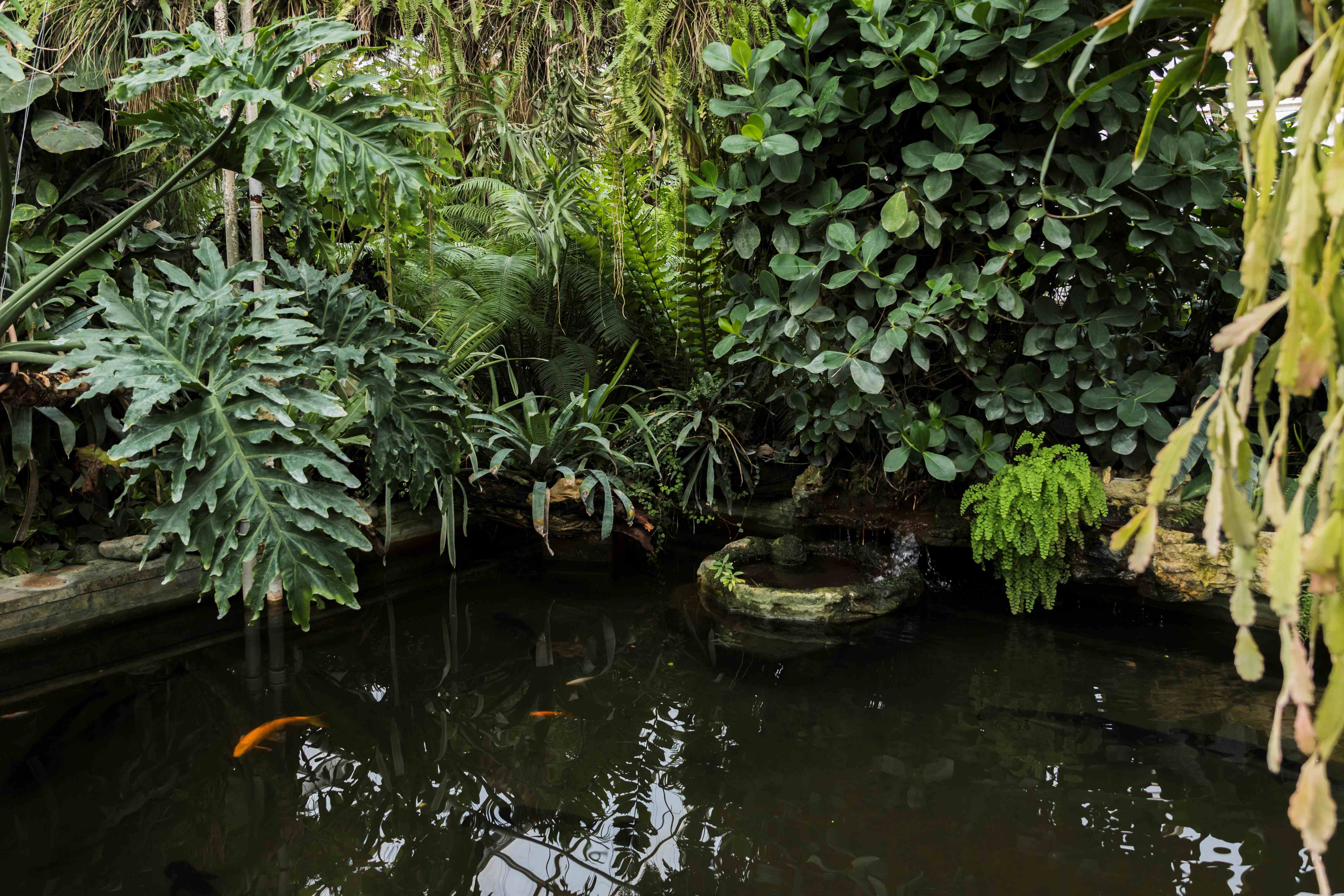
Abiotic Components
Abiotic components are the non-living elements of an ecosystem — air, water, soil, minerals, sunlight, temperature, nutrients, wind, altitude, and turbidity.
Sunlight is the ultimate energy source for nearly all ecosystems, driving photosynthesis that converts solar energy into chemical energy for the entire food web.